Cleansing of the Temple
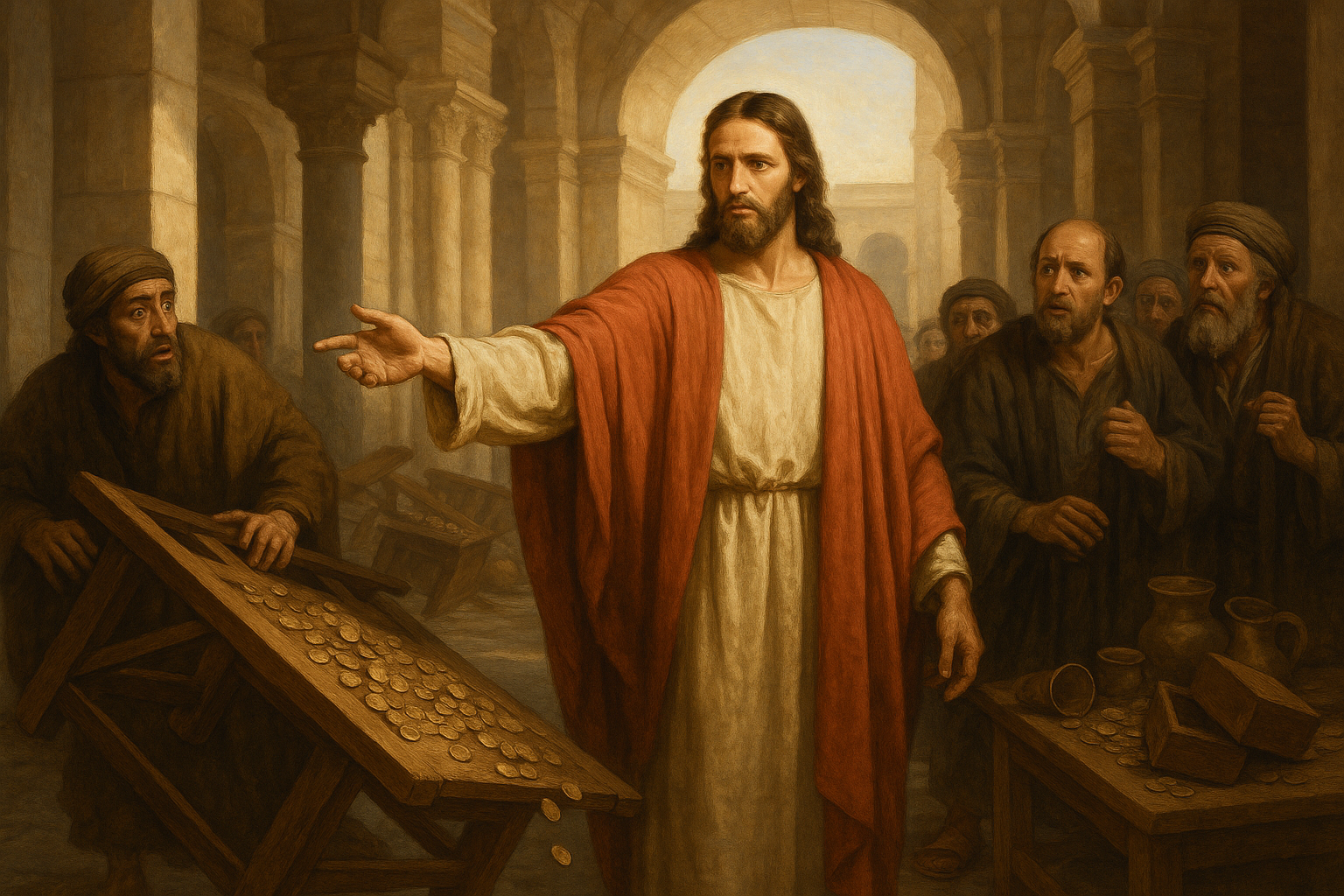
The Cleansing of the Temple: A Powerful Biblical Moment
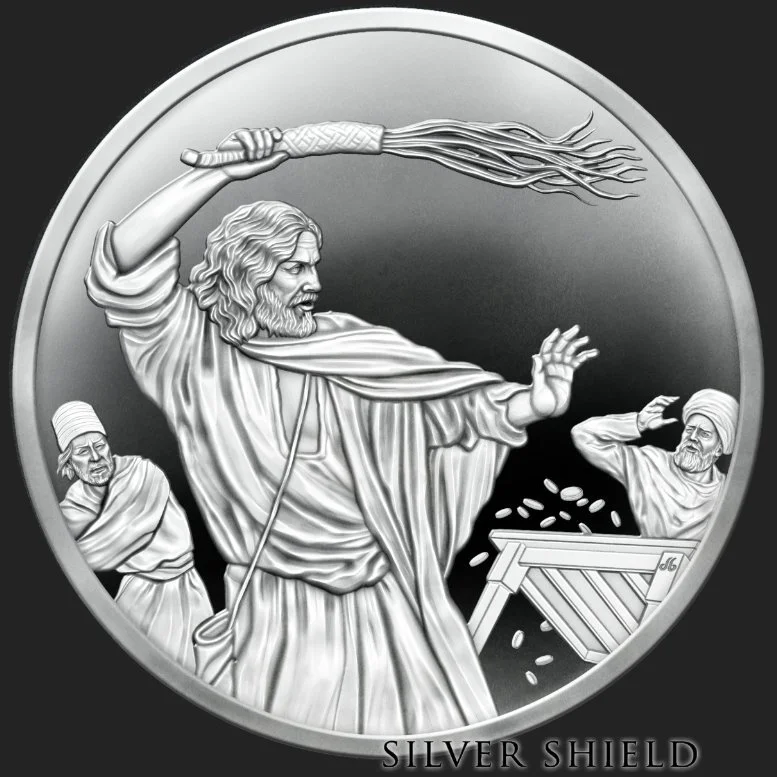
Chris’ new release, Cleansing of the Temple, powerfully expresses Jesus’ disgust at the money changer's presence, and their egregious activities, at the Temple of Jerusalem. Most of us are familiar with the event, but many of us do not remember the specifics. Just who were these men who ignited a level of fury in Christ that’s not seen anywhere else in the Bible? Why was the normally calm Christ so angry at these men? Why were they there and what were they doing to incite Christ’s wrath?
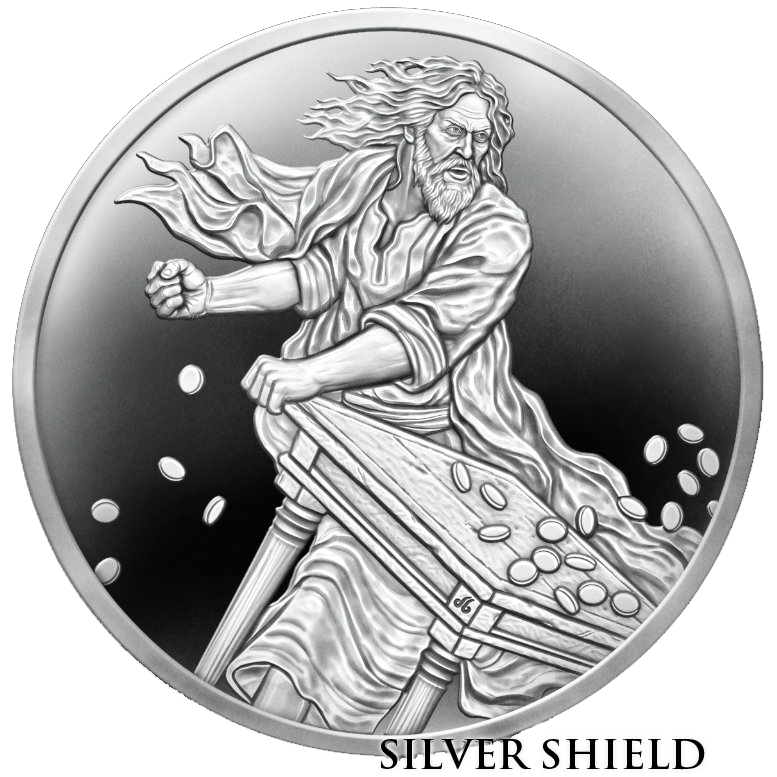
2025 "Cleansing the Temple" Silver Proof Coin, by Chris Duane
Basically, these men were crooks. They set their banking tables up at the entrance to the Temple of Jerusalem and their plan was to bilk the religious pilgrims, most of whom had traveled great distances, out of their meager funds.
More insidiously, the money changers did not simply arrange themselves in front of the Jewish entrance to the temple, but specifically set up shop in the Court of the Gentiles. They knew that the local Jews could not be cheated as easily as the gentiles, nearly all of whom were from out of town. They also knew that most of these travelers lived in many areas throughout the Roman Empire and typically arrived carrying Roman coinage, which conveniently was not accepted within the temple grounds.
These money changers were called shulhani, the Yiddish word for “exchange bankers” and they were ostensibly at the entrance to the temple to exchange Roman coinage for the temple coinage. But, not surprisingly, this need was soon abused, exploited and perverted by the banksters.
The banksters worked the crowds of pilgrims all day, just as did the remainder of the marketers who were selling trinkets, souvenirs and sacrificial animals. The scene literally became a circus of activity, lacking reverence, humility, or the quiet devotion one would expect around a revered religious shrine.
And what was the temple coinage, which was also part of the scam, used for? It was required in order to purchase the sacrificial cows, lambs,or doves needed to accomplish the purpose for the visit. Which one you purchased was predicated on your financial wherewithal.
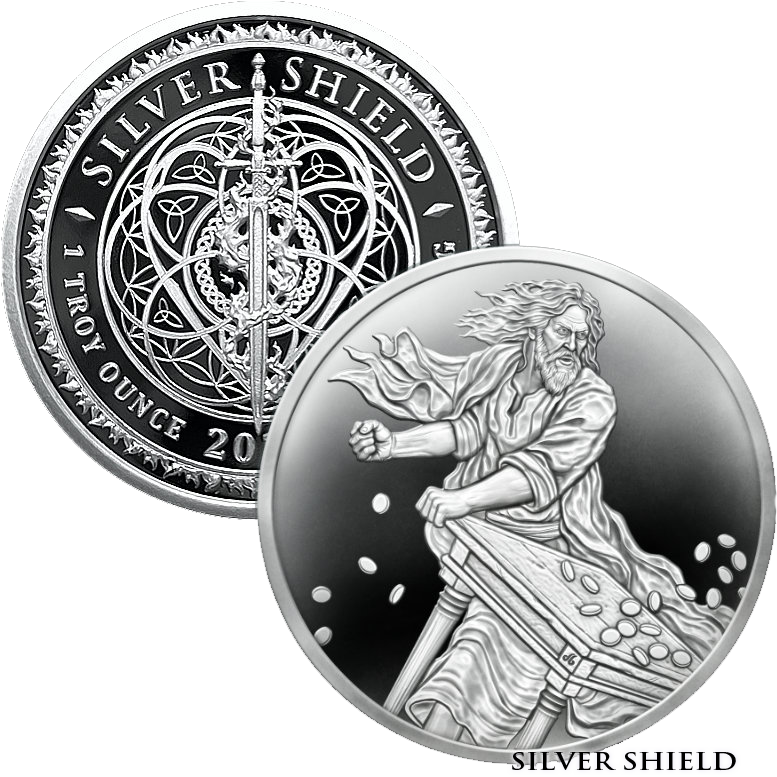
“Cleansing the Temple” Silver Coin from Silver Shield
These sacrifices, or korban, which comes from the root meaning to “draw near to” were made to atone for sins, show gratitude to God or re-establish the pilgrim’s connection with God. The coinage also served to support the temple priests as they had little, or no income, and could not own land.
As most of us remember, Christ’s violent outburst was predicated, not by the banksters presence at the temple, but by their activities. They were cheating the gentiles by charging exorbitant rates of exchange, adding fees and high premiums to their already lucrative banking activities, which included collecting the half-shekel tax that Jewish law required be paid annually by every male Israelite
When Christ arrived at the temple that day he was infuriated by the “promiscuous throng” who were “preying on travelers”. The pandemonium he witnessed at the entrance to the temple was scandalous, deafening, chaotic and loathsome. Quietly approaching the numerous violators of the sanctity of his Father’s temple, was out of the question. Bold, demonstrative and overwhelming force was the only solution. And, as we can see from Chris’ new coin, Cleansing of the Temple, Christ’s reaction was all of these things, and more.
This impactful episode began when Jesus approached the money changers and said, “It is written, ‘My house shall be called a house of prayer for all the nations’? But you have made it a den of robbers.” Once Christ had made his point, he poured out the corrupt bankster’s coins onto the ground and tossed their tables upside down. Then Jesus literally began to use his whip of cords to drive out the cows, lambs and goats, and to chase the money changers off of the temple grounds as well.
What remained were stunned worshippers who quietly entered the temple to pray to the God they loved, respected, and revered, just as they continue to do today, more than 2000 years after this riveting event.
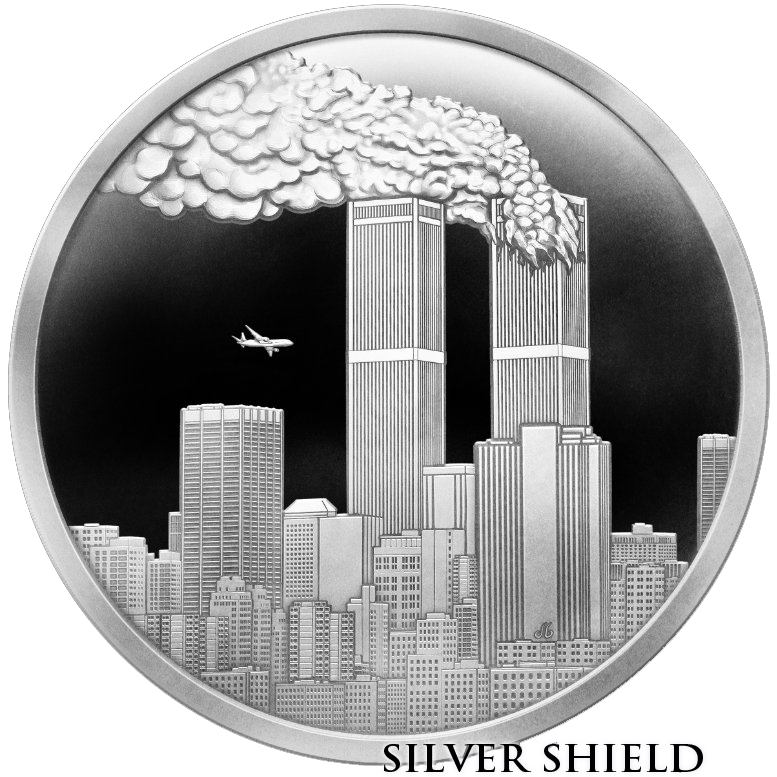



























Other 2025 Silver Shield Proof Round releases